
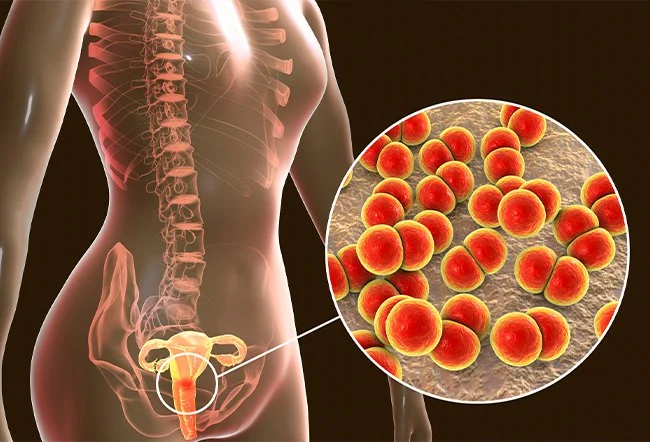
Sexually Transmitted Diseases
Sexually transmitted infections, commonly called STIs, are diseases that are spread by having sex with someone who has an STI. You can get a sexually transmitted disease from sexual activity that involves the mouth, anus, vagina, or penis.
STIs are serious illnesses that require treatment. Some STIs, like HIV, cannot be cured and are deadly. By learning more about STIs, you can learn ways to protect yourself from these diseases. STIs include:
- Genital herpes
- HIV/AIDS
- Genital warts
- Hepatitis B
- Chlamydia
- Syphilis
- Gonorrhea (“Clap”)
- Vaginitis
- Trichomoniasis (“Trick”)
What are the symptoms of STIs?
Sometimes, there are no symptoms. If symptoms are present, they may include:
- Bumps, sores, or warts near the mouth, anus, penis, or vagina
- Swelling or redness near the penis or vagina
- Skin rash
- Painful urination
- Weight loss, loose stools, night sweats
- Aches, pains, fever, and chills
- Yellowing of the skin (jaundice)
- Discharge from the penis or vagina (Vaginal discharge may smell bad.)
- Bleeding from the vagina other than during a monthly period
- Painful sex
- Severe itching near the penis or vagina
How can I know if I have an STI?
Talk to your health care provider. He or she can examine you and perform tests to determine if you have a sexually transmitted disease. If you think that you have an STI, it’s important to see your health care provider. Treatment can:
- Cure many STIs
- Lessen the symptoms of STIs
- Make it less likely you will spread the disease
- Help you to get healthy and stay healthy
- Provide you with information on how you can prevent getting and spreading STDs
How are STIs treated?
Many STIs are treated with antibiotics. Antibiotics are medicines that are given as a shot or taken by mouth.
If you are given an antibiotic to treat an STI, it’s important that you take all of your medicine, even if the symptoms go away. Also, never take someone else’s medicine to treat your illness. By doing so, you may make it more difficult to treat the infection. Likewise, you should not share your medicine with others.
How can I protect myself from STIs?
Here are some basic steps you can take to help protect yourself from STIs:
- Consider that not having sex is the only sure way to prevent STIs.
- Use a latex condom every time you have sex. (If you use a lubricant, make sure it is water-based.)
- Limit your number of sexual partners. The more partners you have, the more likely you are to catch an STI.
- Practice monogamy. This means having sex with only one person. That person must also have sex with only you to reduce your risk.
- Choose your sex partners with care. Don’t have sex with someone whom you suspect may have an STI.
- Get checked for STIs. Don’t risk giving the infection to someone else.
- If you have more than one sex partner, always use a condom.
- Don’t use alcohol or drugs before you have sex. You may be less likely to practice safe sex if you are drunk or high.
- Know the signs and symptoms of STIs. Look for them in yourself and your sex partners.
- Learn about STIs. The more you know about STIs, the better you can protect yourself.
How can I prevent spreading a sexually transmitted infection?
- Stop having sex until you see a health care provider and are treated.
- Follow your health care provider’s instructions for treatment.
- Use condoms whenever you have sex, especially with new partners.
- Don’t resume having sex unless your health care provider says it’s okay.
- Return to your health care provider to get rechecked.
- Be sure your sex partner or partners also are treated.
The Centers for Diseases Control (CDC) recommends that a screening test for HIV infection be performed routinely in all individuals age 13 to 64. Additionally, if you visit your doctor for treatment of STIs, the CDC recommends routine screening for HIV during each visit for a new complaint, regardless if you do or do not practice behaviors that put you at risk for HIV infection.
FAQ
How does talking about sex help me with my sexual problems?
First, talking about sex with me helps you get more comfortable talking about sex with your partner. It is a way to practice what many think “should” be natural, but doesn’t feel quite that way. Many of my clients tell me that no one talked about sex in their families when they were growing up. Not talking about it can convey a message: sex is dirty. Second, you may have unrealistic ideas about sex or just plain misconceptions that you are not aware of. Through talking with me, these things can come to light. Think of it as very personalized sex education – where you can ask ANY question without fear of being judged.
I’m afraid of hurting my partner’s feelings if I express some of my sexual needs. Could you help me with this?
Many people shy away from speaking directly to their partners in order to keep from hurting their feelings. I can help you get very clear about what you are wanting and needing from your partner, and then help you practice saying it. And of course we will work together to choose your words carefully. Most people would prefer to know what works well for their partner and what doesn’t. Couples need to think of this type of communication as “learning each other” – they can’t just know what their partner wants without some input.
How can I determine whether my problem is physical or emotional?
With any sexual issue, I would recommend that you get a full physical to rule out physical causes. Don’t forget to ask if any medications that you are taking could be responsible for your drop in desire, or difficulty achieving orgasms. That said, there is ALWAYS some emotional piece to a sexual problem. Ignoring the emotional piece can waste time and energy that could have been spent remedying the problem.
What if I’m just not sure that your workshop, or groups or individual sessions are for me?
I would be happy to offer you a complimentary initial phone consultation. That way, you can get a sense of how I work, and feel more comfortable making an appointment .Wouldn’t you love to feel free of the guilt you are carrying around as you avoid sex? Wouldn’t you like to fully enjoy your lovemaking with your husband or wife or your partner ? This is what i do for my patients – I help them get to this point where sex is not “an issue” but is a natural and satisfying way of connecting to your partner